 Putting 20 Percent Down Can Make or Break a Deal
✉️ Want to forward this article? Click here.

There has been a lot of talk in recent months regarding the difficulty buyers are having in acquiring desirable, reasonably-priced homes. From multiple offers to tight financing, the challenges are more prevalent than many realize. Below, RE/MAX Allegiance agent Gregory Tindale explains why serious buyers should be prepared to offer 20 percent down on a property if they think there will be multiple offers.
Gregory writes:
Right now, the two most important people in real estate are the appraiser and the bank underwriter. Forget about the buyer, seller, realtor and loan officer. The appraiser and bank underwriter have complete control over whether or not a home can get financing.
When you get a home loan from a bank, it packages the loan with other loans and sells them to Fannie Mae and Freddie Mac. When all the no-down payment loans went bad from the real estate boom, Fannie Mae and Freddie Mac started auditing their files. These days, if they find anything wrong in the files they make the bank buy the loan back. That means that bank underwriters now are not taking any chances on loans because if there is an audit, the bank will have to buy the loan back and the underwriter will probably lose their job. The appraisers know this as well; if they get their appraisal audited and it is found they inflated the price, they could lose their job.
The result is that any loan with less than 20 percent down is heavily scrutinized by underwriters, especially when the property in question is a condo. Listing agents know this, and they advise their clients accordingly. They realize that if a prospective buyer puts less than 20 percent down, there are a hundred things that could raise a red flag to the bank underwriter who, erring on the side of caution, would reject the buyer for the loan.
This is why FHA loans are now becoming so popular — the buyer only needs to put 3.5 percent down, and the bank can still package and sell the loan to the government. However, if a condo building is not FHA approved already, a lot of the same problems come up with the 20 percent down scenario mentioned above. The result is that many listing agents are advising their clients to sell to a buyer that has a conventional 20 percent down loan, even if that buyer offers a lower price. The alternative is to risk the buyer having a problem with his or her loan and the deal not getting to settlement.
See other articles related to: dclofts
This article originally published at https://dc.urbanturf.com/articles/blog/putting_20_percent_down_can_make_or_break_a_deal/1208.





UrbanTurf Listings showcases the DC metro area's best properties available for sale.
Most Popular... This Week • Last 30 Days • Ever
A report on the fall housing market in the DC region shows a market that slammed on t... read »

A bridge loan is a short-term financing tool that helps homeowners “bridge” the g... read »
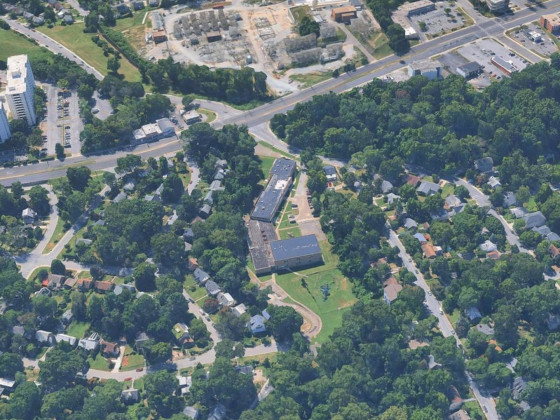
An interesting residential redevelopment has been floated for a former school in Tako... read »

The DC Office of Planning (OP) has finalized its plan to revive the H Street Corridor... read »

The developers of Artena Bethesda have revised the building’s design after the Beth... read »




- DC-Area Buyers Pulled Back Hard in October, And Sellers Are Feeling It
- What Is A Bridge Loan?
- Takoma Park School Campus Could Get Townhouses, a Pool and a Soccer Field
- Taller Buildings, More Arts, Fewer Hurdles: What DC Wants for H Street
- 440-Unit Downtown Bethesda Project Returns to Design Panel With a New Look
DC Real Estate Guides
Short guides to navigating the DC-area real estate market
We've collected all our helpful guides for buying, selling and renting in and around Washington, DC in one place. Start browsing below!
First-Timer Primers
Intro guides for first-time home buyers
Unique Spaces
Awesome and unusual real estate from across the DC Metro
