 Insight Into a Wild Week: An Interview with Dr. Stephen Fuller
✉️ Want to forward this article? Click here.
In an effort to make sense of all that has gone on in the financial world this week, UrbanTurf interviewed Stephen Fuller, the Director of the Center for Regional Analysis at George Mason University’s School of Public Policy, for his thoughts on how the turmoil on Wall Street will affect the local housing market. Dr. Fuller is highly sought after as a guest speaker and lecturer for his knowledge of urban and regional economic development, particularly in the DC metropolitan area. He has also spoken widely on the topic of the current state of both the national and local real estate markets.
How will this week’s events in the stock market affect a housing market in the DC area that is already struggling?
This is a big question. It is important to recognize that the performance of the stock market this week is not directly linked to the performance of the housing market. The bigger story is what is happening in the financial and credit markets. They are essentially frozen at this point. So the ability of anyone to get a loan, whether for a mortgage or a business is significantly complicated because of these larger problems in the markets.
If the so-called bailout is approved then some of the bad loans will be taken off the books and that will calm the stock market. But this is just symptomatic of a much deeper problem. The loss of value in the market is a sign of a loss of investor confidence, and if investors are unwilling to take risks then the qualifications to get a loan will become more stringent, and interest rates will go up as they already have started to do.
Should those who are looking to buy a home in the DC area see this week’s events as a blessing in disguise as it may bring listing prices down further?
The current climate that we find in the financials market is dampening demand for housing, and with demand dampened sellers are going to be more willing to make deals. While inside the Beltway housing prices have begun to firm up in the last two or three months, this current episode has introduced an uncertainty that will temporarily soften the market. But it is only temporary and I imagine that many sellers will ride it out for a month or so.
Regardless, if you want to buy a house later this year you are going to be in a better position to negotiate than if this problem on Wall Street had not emerged. The wildcard question will be “Can anyone get financing?” I was talking to mortgage brokers on Wednesday and they are still re-financing homes. It is just taking longer because of the banks, and the fact that credit is virtually frozen. However, it could all be unfrozen next week if the bailout plan proceeds through Congress. It is just tough to predict what is going to happen.
The credit crunch and mortgage crisis have clearly had the greatest affect on the area’s housing market, but what are some other things that may hurt the market as a result of the bailout (if it happens) in the coming months?
Well, you are correct in focusing on the financial markets now. The single major problem plaguing the housing market today stems from how inflated home prices were in 2002 and 2003. The price for homes on the market between 1999 and 2003 went up 133 percent. These inflated prices began to erode because no one could afford them, and that’s when the bad mortgages began and the bad paper started. And now we have mortgages with greater value than the house.
The market is now rationalizing and the price structure is closer to what the market can support. However, while I believe this problem with the banks could last six months we are constantly finding out things we didn’t know that could make it last longer. We’re on the mend, but a new smoking gun could change things.
About 27,000 housing units were sold in 2003 in the DC area. In 2007, only 13,000 units were sold. Are we looking at this downward trend in sales continuing for the next couple years? If not, what are the factors that turn it around?
Through eight months this year, we are right on track to match last year’s number in DC and suburban Maryland. However, in the rest of Maryland and Virginia, sales are up from last year. I would expect the number of sales in DC and suburban Maryland to increase over the next 12 months because the prices have come down about as far as they are going to go. As the supply gets smaller and demand increases, prices are going to go up, and I think many buyers will decide that they have sat on the sidelines long enough.
If the stock market starts to track upward, people will feel like the economy is getting stronger and buyers will make their deals based on that. Also, while it is minor, the new administration coming in will result in an increase in the number of sales which in turn will generate new price pressures. I imagine that next year the prices will be higher particularly inside the Beltway and on units under $400k. The condo market may stand to benefit the most because people that come in with the new administration will probably plan on keeping their house back home and just opt for something smaller here.
We published an article a couple weeks ago that tried to answer the question “Is right now the best time to buy in DC?” What would your answer be to that question and why?
I think the best time to buy has passed, as I think that was last year. That doesn’t mean you can’t find a foreclosure or a seller that needs to move these days, but the bargains are not as broadly based as they were last year. Today, the inventory is smaller, so the pickings are not as good.
However, if I were a buyer, I would be out there looking and I would offer five or ten percent below the asking price regularly. I wouldn’t go lower than that, though, because anything below ten percent is an insult. While the market isn’t bad right now, this week’s uncertainty in the stock market might have just freed up a little flexibility and made for a better buyer’s market.
Update — 10/07/08: Last week, The New York Times put together a very handy map that charts the economic state of major US cities. The map can be viewed here.
See other articles related to: dclofts
This article originally published at https://dc.urbanturf.com/articles/blog/insight_into_a_wild_week_an_interview_with_dr_steven_fuller/189.




UrbanTurf Listings showcases the DC metro area's best properties available for sale.

Most Popular... This Week • Last 30 Days • Ever
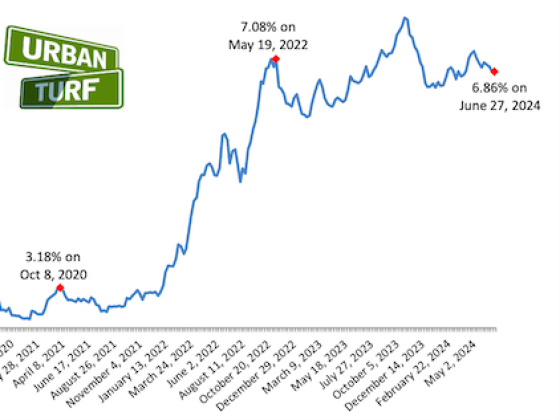
In this article, we will delve into what mortgage recasting entails and how it works.... read »
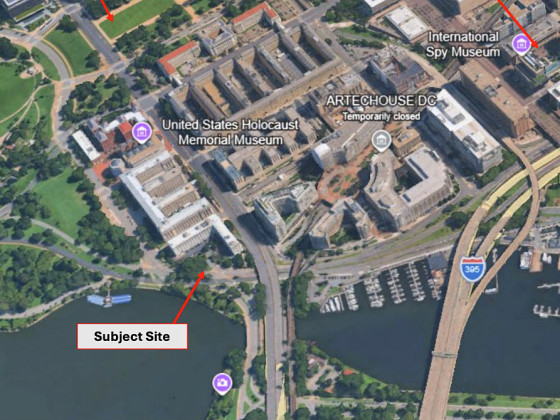
One of the more unusual properties in the District is the latest downtown conversion ... read »
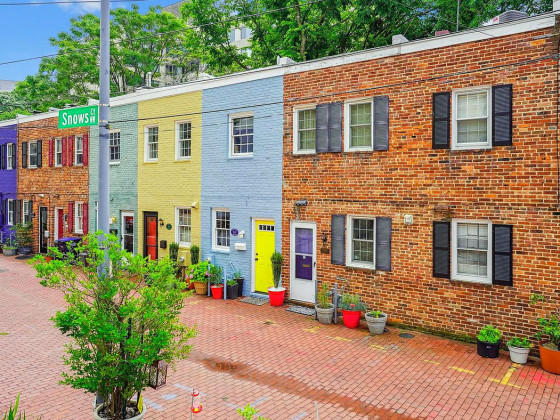
The Zoning Commission is expected to take final rulemaking action on June 11.... read »

If you drive through downtown Bethesda, it seems like there is a new project going up... read »

The typical U.S. homebuyer put down $64,000 in March, a 1.5% decline from a year earl... read »






- What Does It Mean to Recast Your Mortgage?
- The DC Building With a Highway Running Through It Just Sold And The New Owner Is Thinking Conversion
- DC's Alley Lots Are About to Open Up for Housing
- The Bethesda Building Boom: One Neighborhood, 16 Projects and 6,500 Units
- Down Payments Slip as Buyers Hold Tight to Cash
DC Real Estate Guides
Short guides to navigating the DC-area real estate market
We've collected all our helpful guides for buying, selling and renting in and around Washington, DC in one place. Start browsing below!
First-Timer Primers
Intro guides for first-time home buyers
Unique Spaces
Awesome and unusual real estate from across the DC Metro
